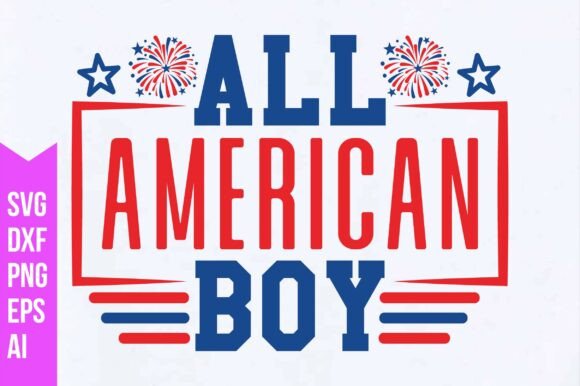
All American Boy SVG
If you're crafting patriotic designs for t-shirts, mugs, classroom decor, or small-business merchandise, an All American Boy SVG file can be a smart, versatile choice—provided you know exactly what you’re getting and how to use it correctly. Unlike generic clipart or low-res images, a well-structured SVG (Scalable Vector Graphic) gives you clean lines, crisp edges, and full editability across cutting machines and design software. But not all “All American Boy SVG” files deliver the same value—and many buyers unknowingly download files that don’t match their tools, skill level, or intended use.
What This File Actually Is—and What It’s Not
An All American Boy SVG is a digital vector design featuring a stylized, patriotic-themed boy figure—often shown with stars, stripes, a baseball glove, or flag elements. It's designed for precision cutting, printing, or layering in craft and design workflows. Your purchase includes one zip file containing:
- 1 layered SVG file (optimized for Cricut Design Space, with word-by-word separation for easy customization)
- 1 DXF file (Cricut-compatible for older versions or alternative software)
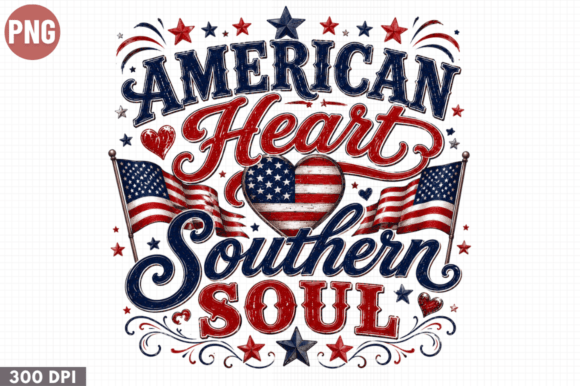
- 1 high-resolution PNG (300 DPI, transparent background—ideal for print-on-demand mockups or digital overlays)
- 1 EPS file (universal vector format, editable in most vector programs)
- 1 AI file (Adobe Illustrator source file—fully layered and labeled)
This isn’t a single flat image. It’s a production-ready toolkit—designed for flexibility across platforms like Cricut, Silhouette Studio, Inkscape, Adobe Photoshop, and Illustrator. That matters because if you assume “SVG” means “works everywhere,” you’ll run into roadblocks fast.
A Common Mistake: Assuming All SVG Files Are Equal
Many buyers search for “All American Boy SVG” and click the first result—only to discover the downloaded file has no layers, uses embedded raster graphics, or lacks proper grouping. That makes it impossible to recolor individual elements or adjust spacing for vinyl application. Worse, some sellers label a flattened PNG as “SVG” just to appear in search results. You won’t know until you open it—and by then, your project is delayed.
Solution: Always verify file contents before downloading. Look for clear mention of “layered,” “word-by-word,” or “Cricut-ready.” If the listing doesn’t specify compatible formats beyond “SVG,” assume it’s incomplete. Reputable creators list each included file type explicitly—and explain why each matters.
Another Overlooked Detail: Software Compatibility Isn’t Just About File Type
Yes, this All American Boy SVG supports Cricut—but not every Cricut user runs the same version. Older Cricut Design Space versions may not read newer SVG specifications unless the file is saved in SVG 1.1 (not SVG 2.0). Similarly, Silhouette users need DXF or SVG with no unsupported effects (like gradients or opacity masks), which this package avoids intentionally.
Example: A teacher planning a 4th of July classroom banner tried using a free “All American Boy SVG” from a blog download. It loaded fine in Illustrator—but failed to import into Silhouette Studio because it contained embedded fonts converted to outlines *without* preserving stroke-to-fill integrity. The result? Jagged edges and missing details on cut vinyl. With this package, all text is outlined *and* grouped logically, so cuts stay precise regardless of software.
Misjudging Use Cases—and Wasting Time or Materials
Some buyers assume this file is only for iron-on transfers or t-shirt decals. In reality, its layered structure supports far more: think dimensional paper crafts, multi-color scrapbook layouts, or even sublimation-ready art prints. But if you skip checking the PNG’s transparency or the AI file’s color mode (CMYK vs. RGB), you risk unexpected color shifts when printing on mugs or tea towels.
Better approach: Before cutting or printing, open the PNG in your editing app and confirm the background is truly transparent (no faint white halo). For physical products, preview the AI file in CMYK mode if your printer requires it—and adjust spot colors manually if needed. The included EPS and AI files make those edits straightforward; flattened or locked files do not.
Why Beginners (and Pros) Should Double-Check Layer Labels
“Layered” sounds helpful—until you open the file and find unlabeled groups named “Layer 1,” “Group 27,” or “Object_5.” That defeats the purpose of layering entirely. This All American Boy SVG package names each layer meaningfully: “Cap,” “Star Accent,” “Striped Sleeve,” “Base Outline.” That saves time when hiding or recoloring parts—or troubleshooting misaligned cuts.
If you’re new to Cricut Design Space, those labels also help you understand how vector elements relate spatially. Instead of guessing which shape controls the hat brim versus the shirt collar, you see it at a glance. That clarity reduces trial-and-error—especially when resizing for different projects (e.g., a 3-inch decal vs. an 18-inch wall quote).
What to Check Before You Buy—or Before You Cut
Before completing your purchase, scan the listing for these practical signals:
- File preview thumbnails showing actual layers—not just a final rendered image.
- Explicit compatibility notes for your specific machine (e.g., “Tested on Cricut Explore Air 2 and Maker 3”).
- Transparent PNG confirmation—not just “high-res” or “print quality.”
- No font dependencies: all text should be outlined, not live type.
- Clear licensing terms: personal and small-business use is standard here; resale of the raw file is not permitted.
If any of those are missing or vague, pause. A trustworthy creator anticipates these questions—not because they’re complicated, but because they impact real-world usability.
Final Thought: It’s Not Just About the Design—It’s About Workflow Fit
An All American Boy SVG isn’t valuable because it looks patriotic. It’s valuable because it integrates smoothly into *your* process—whether you’re a homeschool parent prepping a history lesson, a boutique owner launching a summer collection, or a graphic designer building client assets. The layered SVG, DXF, PNG, EPS, and AI files exist to eliminate friction: no re-tracing, no guesswork, no last-minute format conversions.
So before you download, ask yourself: Does this file give me control—or just convenience? With this package, the answer is both. And that’s what turns a simple digital download into a reliable, repeatable part of your creative toolkit.